
“What is wild cannot be bought or sold, borrowed or copied. It is. Unmistakable, unforgettable, unshamable, elemental as earth and ice, water, fire and air, a quintessence, pure spirit, resolving into no constituents. Don’t waste your wildness: it is precious and necessary. In wildness, truth. Wildness is the universal songline, sung in green gold, which we recognize the moment we hear it. What is wild is what drives the honeysuckle, what wills the dragonfly, shoves the wind and compels the poem. Wildness is insatiable for life; neither truly knows itself without the other. Wildness… sucks up the now, it blazes in your eyes and it glories in everyone who willfully go their own way”– Jay Grifiths (Wild)
Propelled by a need to live on the edge of the imperative and in the tender fury of the reckless moment, Jay Griffiths instead of defining the wild manages to hear the ‘will of the wild’ and in turn she’s granted an audience with something shy, naked and elemental – something we know as the soul. She doesn’t tell us how but assuringly advises not to waste our precious and necessary wildness – something to be meditated upon. Edward Abbey once enthusiastically eased into that meditation “It is not enough to fight for the land; it is even more important to enjoy it. While you can. While it’s still here.” While we dare not claim to hear the majestic will of the wild or find the compulsion, the will to live on the edge of the imperative in the confines of labyrinthine civilization, it’s hard not to find aspirational – the rebellion and reverence wild things tend to inspire – while it is still all here. Enjoyment, it seems, is the key – if one can enjoy the wilderness, then wildness isn’t wasted away.
It is paradoxical to find wildness in the glinting softness of its charisma, for what is savage is in the deepest sense gentle and what is wild is kind. If that is true, what then are the chances of witnessing the paradox of wildness – something soft and gentle and kind yet savage and wild – in the labyrinth of tamed civilization? More so, what indeed are the chances of receiving such bounty in the meditation of a humble tea? Not too good – or so we thought. Chances are, ever since the Bhime Cultivar was discovered growing wild in an abandoned garden, countless phenomenal teas have been produced and we have been none the wiser. To call it extraordinary, impressive or exotic at this point would be hypocritical. Instead, it’s better to call it wild – hear its will, take a bow and enjoy its bounty, while it lasts. Chances are even better that ornate adjectives will turn meagre and petty as one encounters the wildness of this tea- a wildness that sucks up the now – interpreted only by our own singularity.
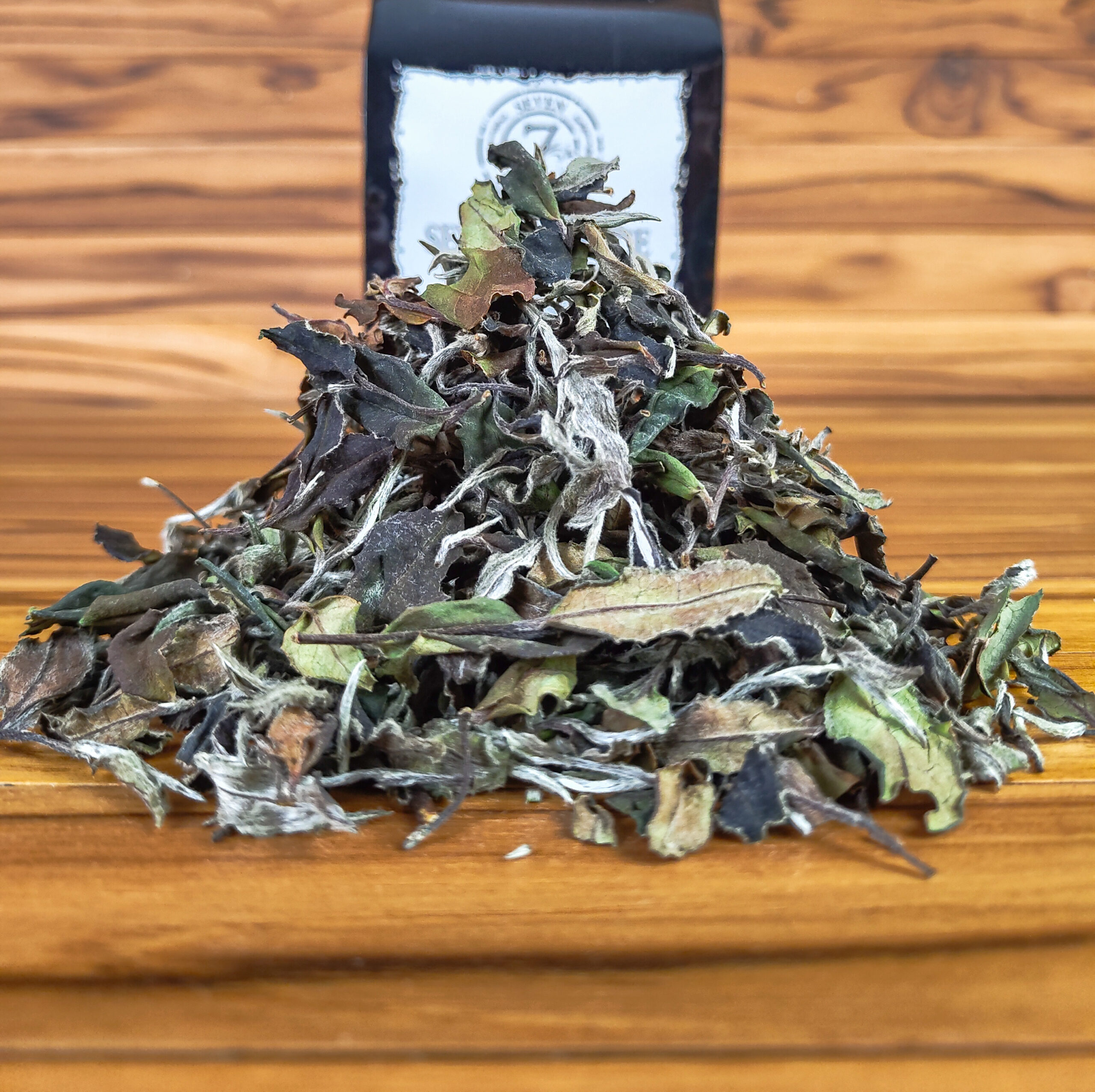
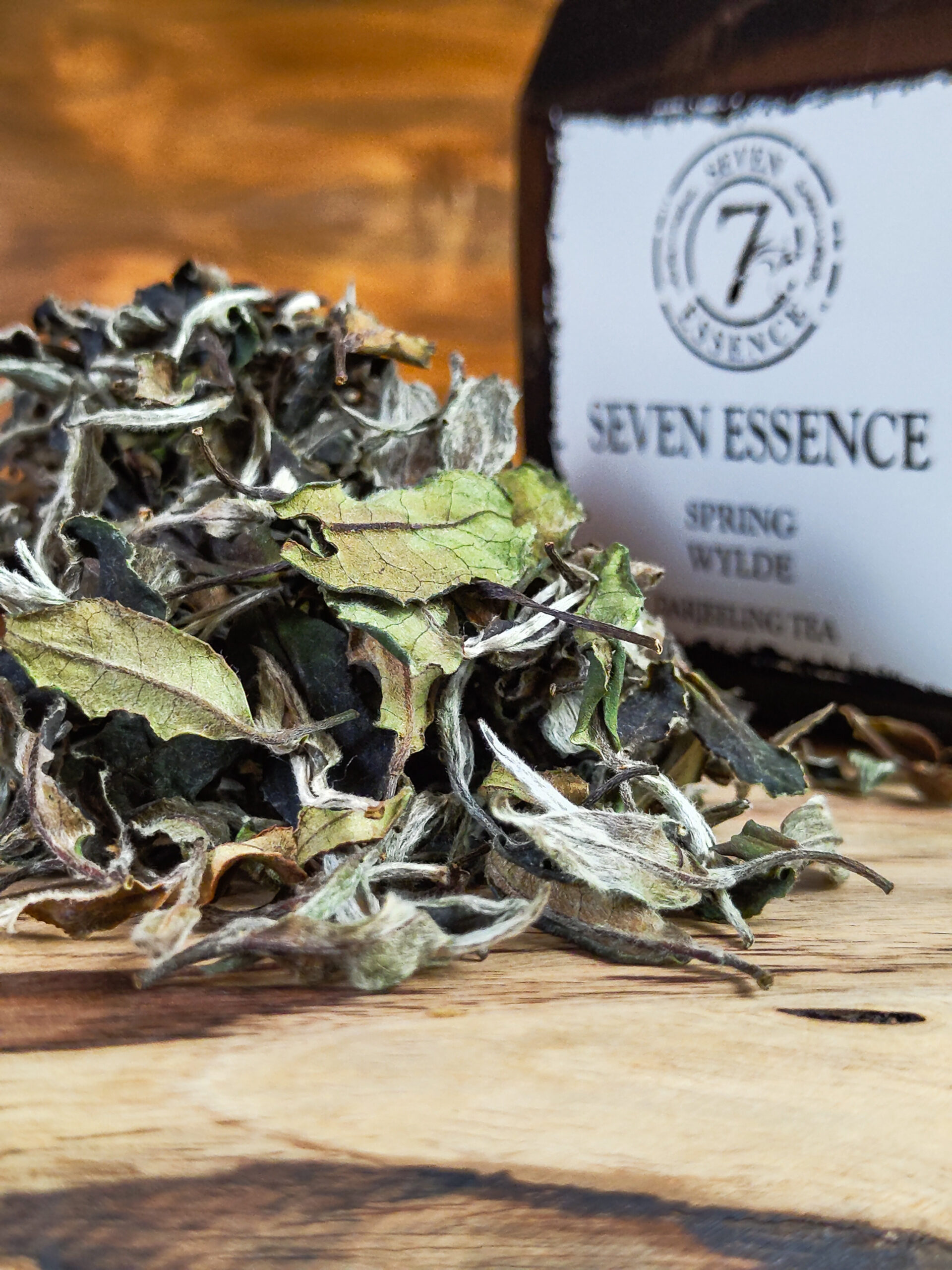
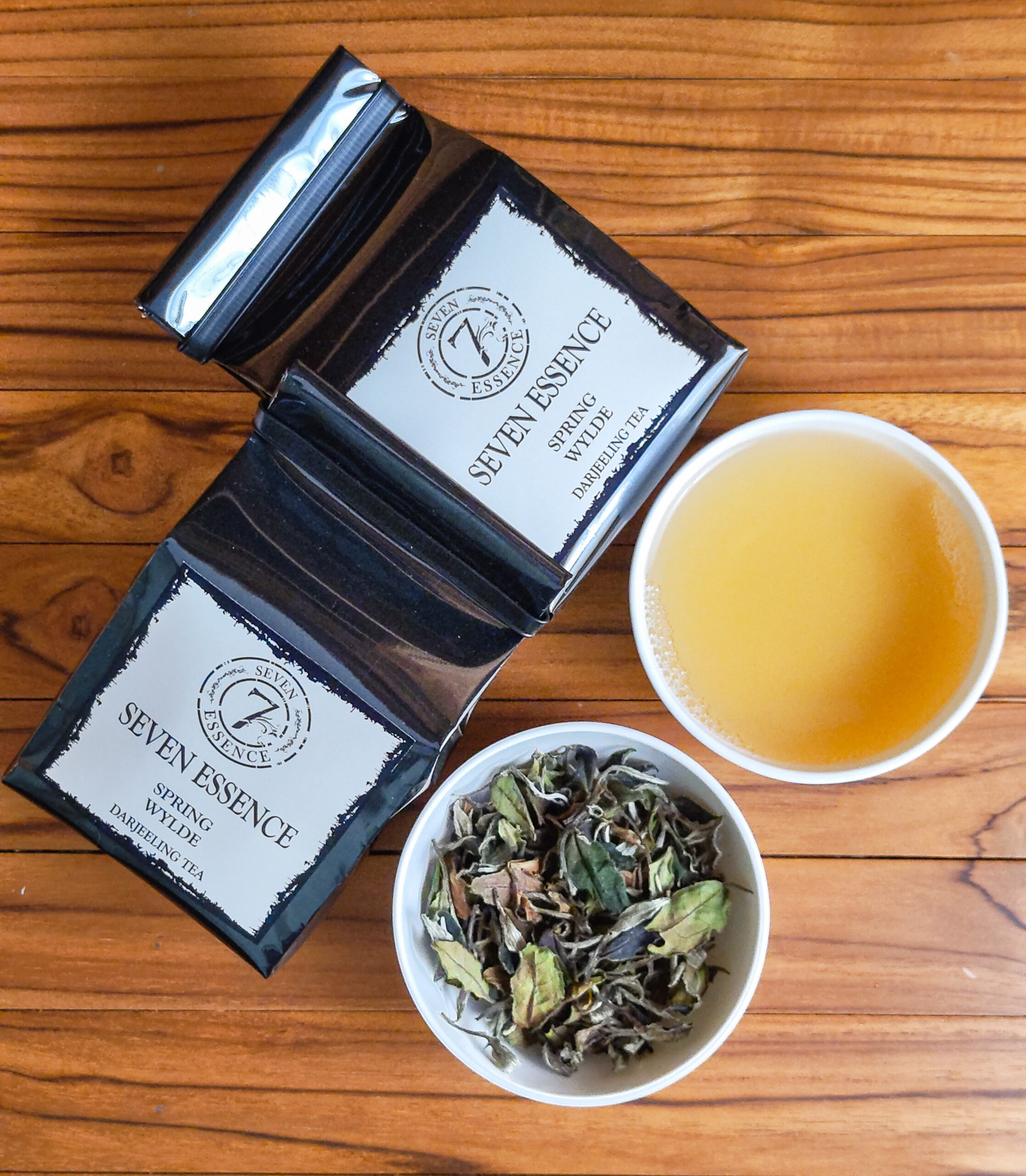
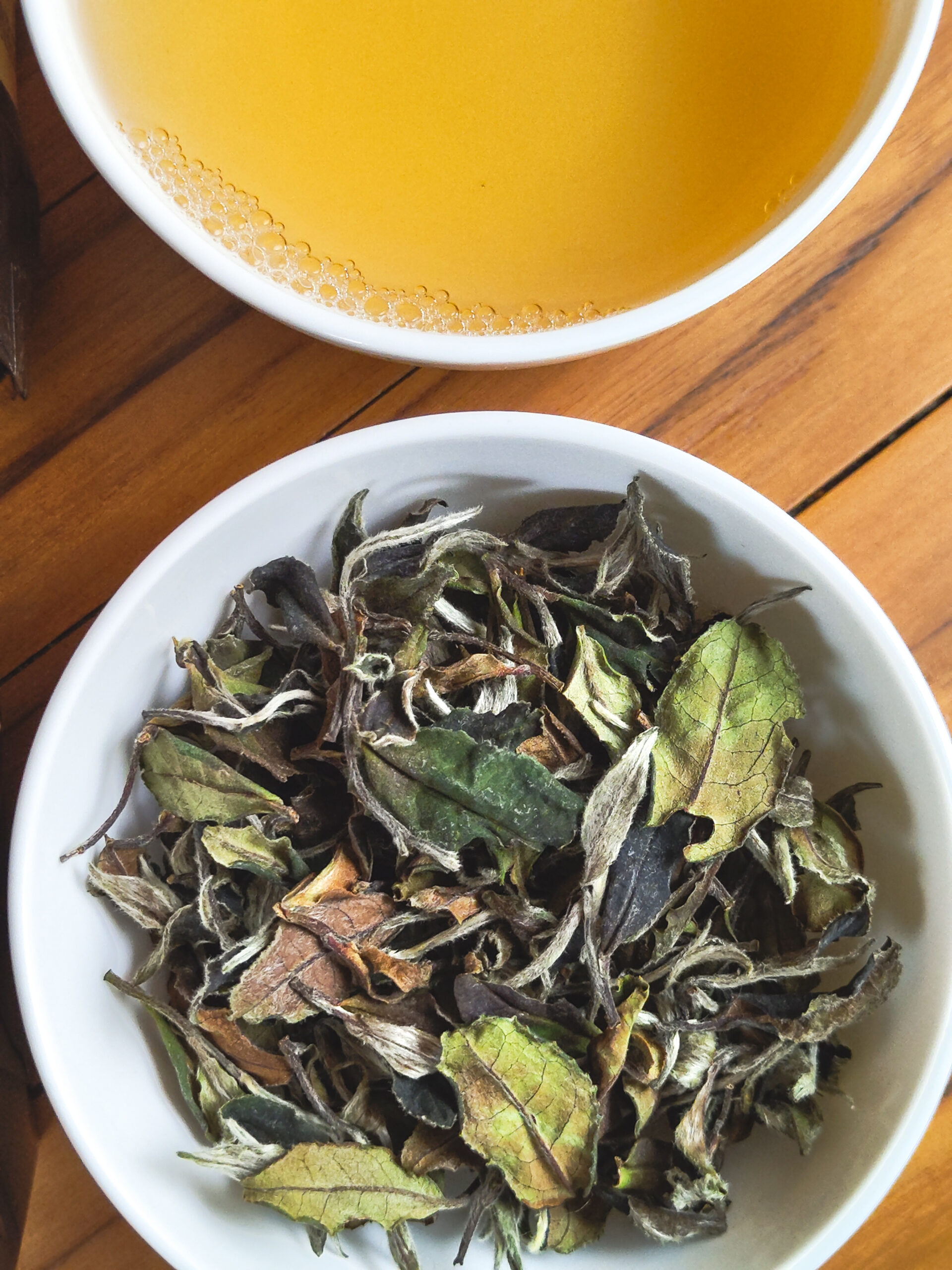
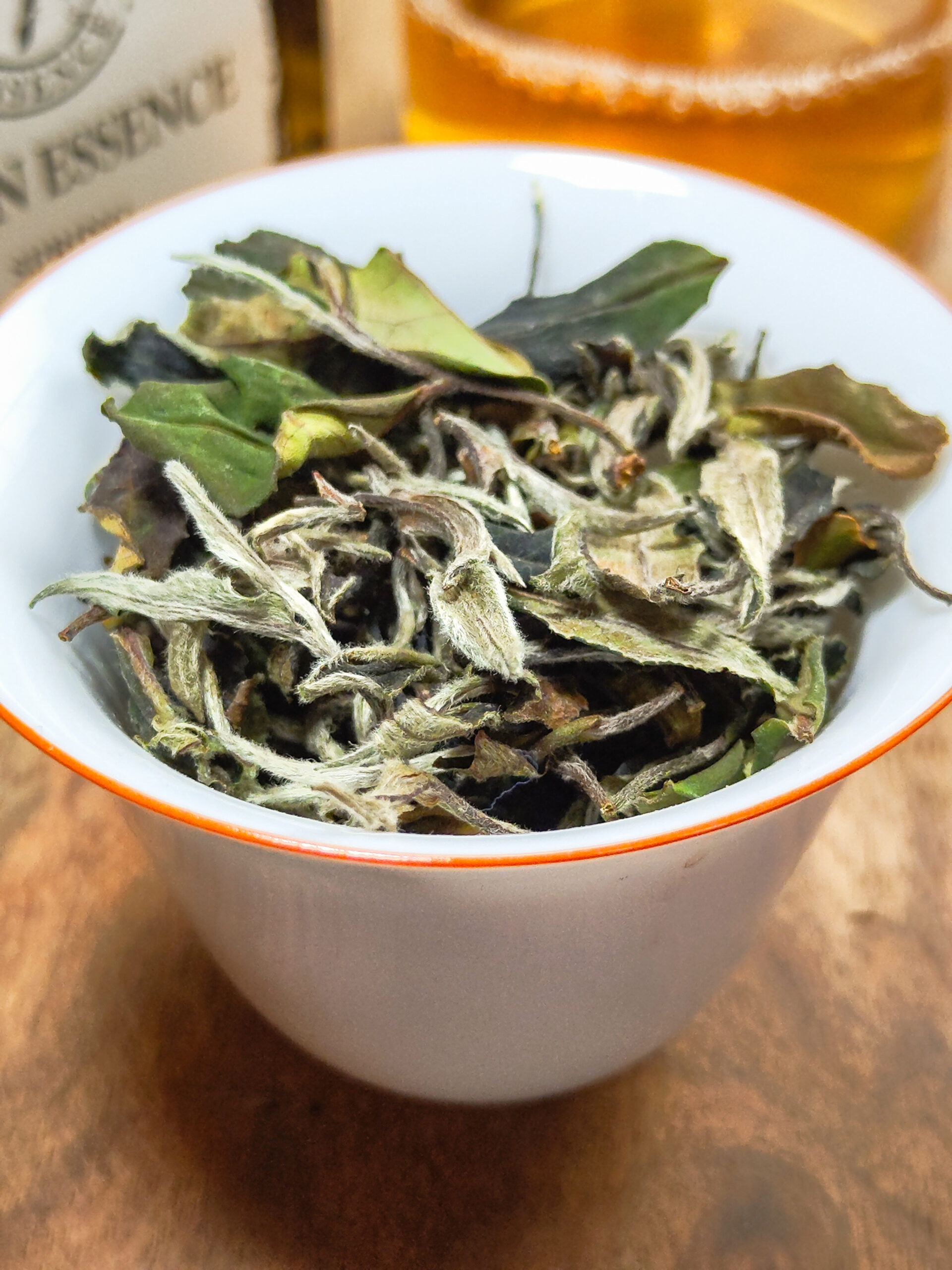
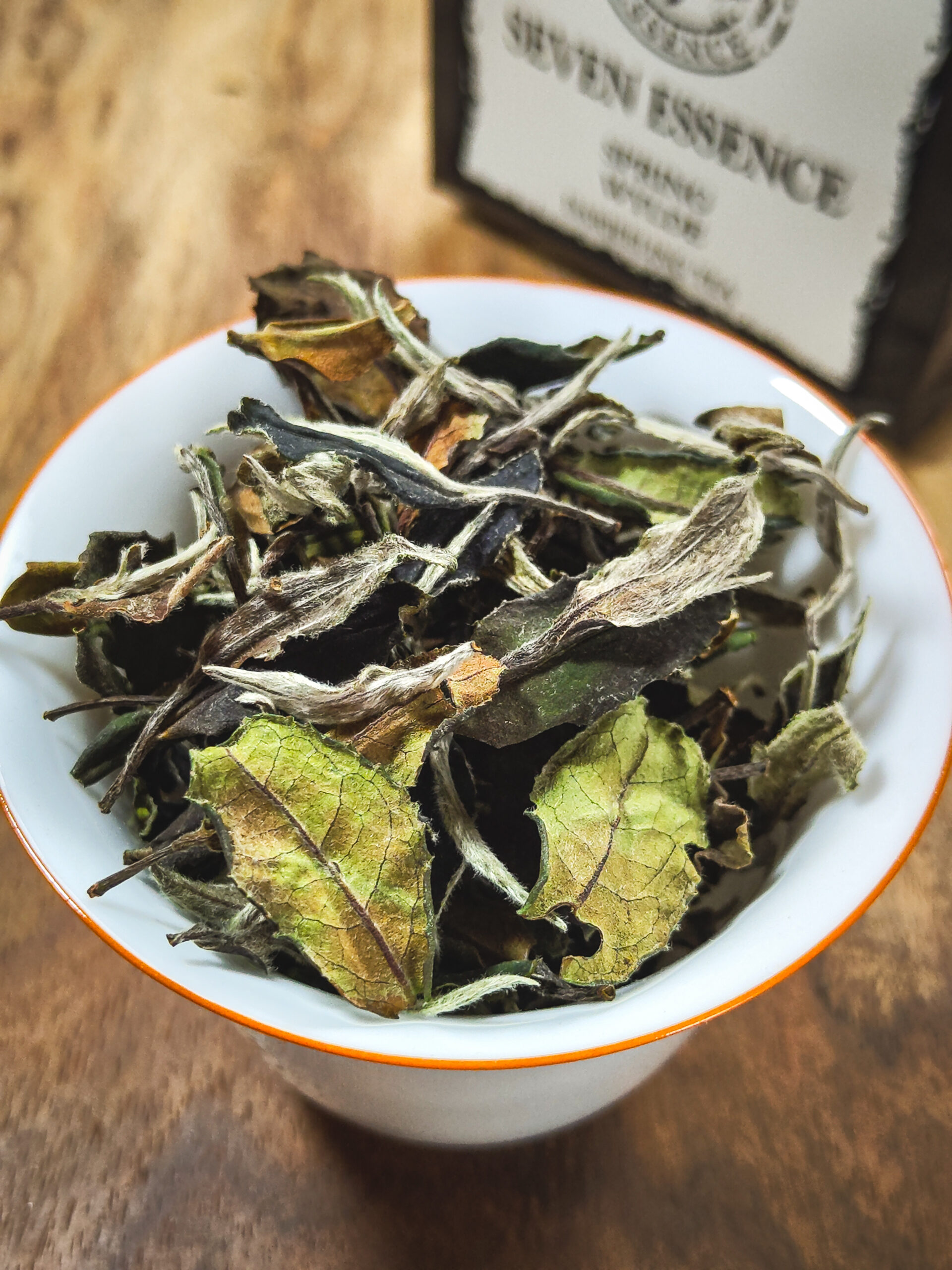
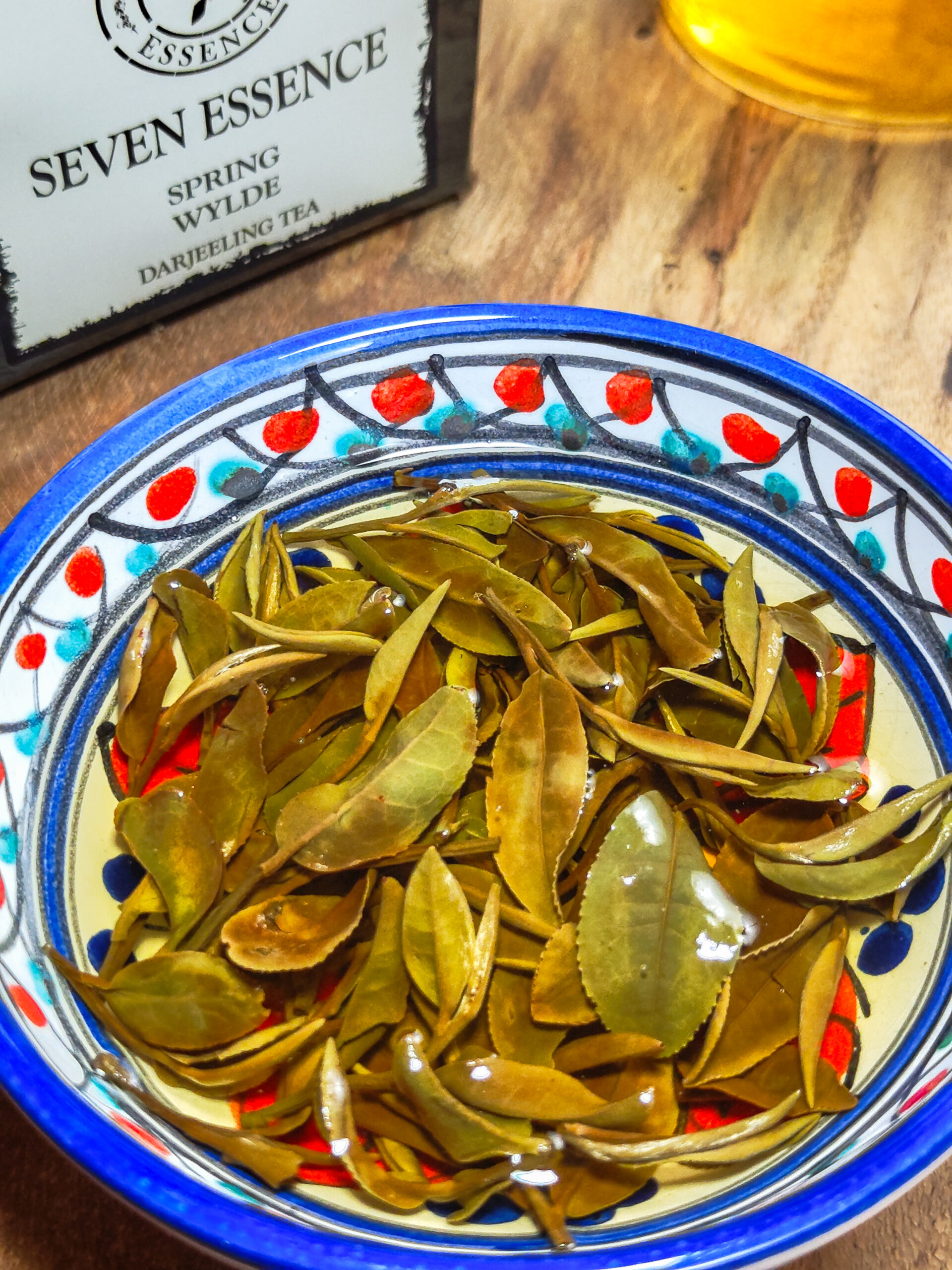
Whilst all expressions of Spring have the common tendency to save their season, the Spring Wylde tends to save nothing – it wills, gives it all away in the tender fury of a reckless moment. Unmistakable aroma of fresh Cardamoms and visible trichomes still hugging the buds and unrolled leaves baked by the late spring sun, make up the first greeting of this white tea. The greeting continues well into the brew – greeting of Honey and Cardamoms or should we say, Cardamoms and Honey in a thick, creamy liquor. A few sips in will reveal what we mean by willing it all away in the tender fury of a reckless moment – a barrage of Coconut, Cinnamon, Bayleaf and Fennel break the dam, wide open. The brew then assumes a Glycerin thick structure and expresses it with a sweet coolness – coolness distinctly of mint or a spearmint gum with the spices in the background. This is when one finds the paradoxical wildness in the glinting softness of its charisma – wildly feminine notes deeply reminiscent of warm Vanilla and Makeup – not the floral kind rather oily and perfumy that in the end yields not a strangely sweet and spicy result but the paradoxical wildness that expresses the strangely sweet and spicy – while it lasts.
“We need wilderness whether or not we ever set foot in it. We need a refuge even though we may never need to set foot in it. We need the possibility of escape as surely as we need hope; without it the life of the cities would drive all men into crime or drugs or psychoanalysis” – Edward Abbey (Desert Solitaire)


Reviews
There are no reviews yet.